

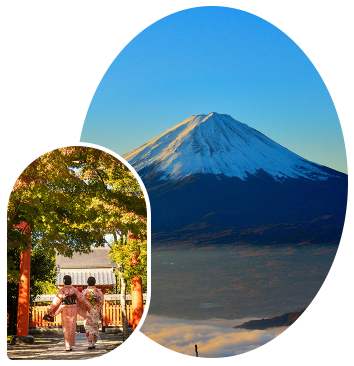

Best Time to Visit Japan

Japan is a country of breathtaking seasonal transformations. From the soft pink cherry blossoms of spring to the vibrant autumn leaves and snowy winter landscapes, every season offers unique experiences. If you’re traveling from the U.S. or Europe, planning your visit with both weather and cultural events in mind can make your trip more enjoyable and stress-free. This guide provides a month-by-month breakdown of Japan’s climate, festivals, and travel tips, helping you decide the best time to visit Japan for your interests and comfort.


Understanding Japan’s Climate and Seasons

Japan’s climate varies significantly from north to south. Hokkaido in the north can be icy and snowy during winter, while Okinawa in the south is subtropical and mild year-round. The main islands—Honshu, Shikoku, and Kyushu—experience four distinct seasons: spring, summer, autumn, and winter.

Spring
March–May

Mild temperatures, cherry blossoms, and festivals.

Summer
June–August

Hot and humid, with vibrant festivals and mountain hiking opportunities.

Autumn
September–November

Comfortable weather, clear skies, and stunning fall foliage.

Winter
December–February

Cold, snowy in the north, perfect for skiing, hot springs, and illuminations.

There are also key seasonal events to consider.

Rainy season
tsuyu

Mid-June to mid-July, mostly affecting central and southern Japan.

Typhoon season

Late August to early October, mainly in southern coastal areas. Understanding these patterns will help you pick the best time to visit each region.

Cherry Blossoms and Pleasant Weather

Spring (March–May)

Spring is one of the most popular times for travelers to visit Japan. With mild temperatures and blooming flowers, it’s ideal for sightseeing, photography, and cultural experiences.

Overview

Temperatures range from 10–20°C (50–68°F), depending on the region. Hokkaido is cooler, while the southern islands of Kyushu and Shikoku are warmer. Humidity is low, and rainfall is generally light, making it perfect for outdoor activities.

Highlights

  • Cherry blossom season (sakura) — late March to early April in Tokyo and Kyoto; later in northern Japan.
  • Festivals such as Hina Matsuri (Doll Festival) in March.
  • Scenic walks in gardens, temples, and parks.

Regional Tips

  • Tokyo & Kyoto:Early April for peak blossoms.
  • Northern Honshu & Hokkaido:Late April to May for delayed blooms.
  • Okinawa:Mild and sunny, perfect for beaches in April–May.

Travel Advice

  • Book accommodations early; spring is peak tourist season.
  • Pack a light jacket and layers — mornings can be cool.
  • Use sunscreen; spring days can be bright.

Festivals, Mountains, and Vibrant Energy

Summer (June–August)

Summer in Japan is hot, humid, and full of energy. While some travelers avoid this season due to high temperatures, it’s ideal for festival lovers, hikers, and those seeking mountain escapes.

Overview

Average daytime highs reach 30°C (86°F) or more, with high humidity. Rainy season occurs in mid-June to mid-July, and typhoons can affect southern regions later in summer.

Highlights

  • Traditional summer festivals: Gion Matsuri in Kyoto, Nebuta Matsuri in Aomori.
  • Fireworks displays across the country.
  • Hiking in Hokkaido or the Japanese Alps for cooler temperatures.

Regional Tips

  • Hokkaido:Cool and comfortable, perfect for trekking and sightseeing.
  • Tokyo & Osaka:Hot and humid; best for evening festival events.
  • Tohoku & Japanese Alps:Pleasant summer weather, fewer crowds.

Travel Advice

  • Wear breathable clothing and bring sunscreen and a compact umbrella.
  • Stay hydrated; carry water when exploring cities.
  • Mountain and northern regions are ideal for avoiding heat.

Fall Colors and Comfortable Weather

Autumn (September–November)

Autumn is widely considered the best overall season to visit Japan. With crisp air, low humidity, and breathtaking autumn foliage, it’s ideal for cultural experiences and photography.

Overview

Temperatures range from 15–25°C (59–77°F), depending on region. Skies are usually clear, and rainfall is lower than in summer.

Highlights

  • Stunning fall foliage (koyo), particularly in Kyoto, Nikko, and Fuji Five Lakes.
  • Cultural events such as harvest festivals.
  • Crisp weather perfect for outdoor sightseeing and temple visits.

Regional Tips

  • Tokyo & Kyoto:October–November for peak leaf colors.
  • Hokkaido:Early October for northern foliage.
  • Tokyo & Central Japan:Late November for vibrant urban parks.

Travel Advice

  • Check foliage forecasts; peak colors vary by region and year.
  • Pack layers; mornings and evenings can be chilly.
  • Avoid early autumn if planning coastal travel during typhoon season.

Snow, Hot Springs, and Holiday Charm

Winter (December–February)

Winter in Japan offers a unique experience, from powdery snow in Hokkaido to cozy hot springs in mountainous regions.

Overview

Cold and dry, with temperatures ranging from 0–10°C (32–50°F) in most regions. Northern Japan experiences heavy snowfall, while southern areas like Tokyo enjoy mild, sunny days.

Highlights

  • Skiing and snowboarding in Hokkaido, Nagano, and Niigata.
  • Sapporo Snow Festival in February.
  • Hot spring (onsen) resorts for relaxation.
  • Winter illuminations in major cities like Tokyo and Osaka.

Regional Tips

  • Tokyo & Kyoto:Perfect for winter sports; heavy snow common.
  • Nagano & Gifu:Ski resorts and alpine scenery.
  • Tokyo, Osaka, Fukuoka:Mild winters, ideal for city exploration.

Travel Advice

  • Pack thermal layers, gloves, and waterproof shoes.
  • Check snow and road conditions for rural travel.
  • JR passes and regional rail passes are useful for winter trips.

Month-by-month Guide to Traveling in Japan

Visiting Japan in January

Beginning with the New Year holidays, January is one of the colder months on the calendar. A spike in travel during the holiday season can make it difficult to book tickets and accomodations early in the month. However, it is a good time for visiting Japan, as the weather is usually sunny and dry, sightseeing spots are not very crowded (except possibly around Chinese New Year). Only in northern Japan and along the Sea of Japan coast, there is lots of snowfall, and conditions are good for winter sports. In January, the country transforms into a winter wonderland, offering a unique and unforgettable experience to those who venture out into its icy landscapes.


winter-japan

Visiting Japan in February

The weather of February in Japan is the coldest moth but is perfect for sightseers. The temperatures varies enormously throughout the country, with warm temperatures in Okinawa's islands in the south of Japan, very cold temperatures and heavy snow in Hokkaido which is in the north of Japan. For any snowscapes lover, whether it's skiing at renowned snow resorts in mountain areas, visiting the enchanting Sapporo Snow Festival, or relaxing in warm hot springs, traveling to Japan in February is definitely a good idea.


winter-in-japan

Visiting Japan in March

With the winter cold eases in March, people fill parks and gardens to celebrate the arrival of spring and cherry blossoms. March is a great time to be travelling through Japan. This month, Southern Japan will be filled with the aroma of the blooming cherry blossoms. However, the northern part is still cold and you can still enjoy the hot spring in early March. There are plenty of events, from traditional festivals to sumo tournaments, animal adventures to anime conventions. At Sumida Park Cherry Blossom Festival, you can walk along the riverbank and enjoy blossoms with Tokyo Skytree in the background.


spring-in-tokyo

Visiting Japan in April

As the pleasant spring arrive, Japan comes alive with colourful cherry blossoms and warm sunshine, April is a best time to visit Japan. Cherry blossoms are in full bloom and signaling it's time to flock to parks across the country for picnics under the flowers; the slightly cooler cities like Kanazawa and Takayama, tend to enjoy blooms until later in April. Every year, most of Japanese look for a beautiful places to set up hanami with a nice picnic and enjoy food and drinks under the sakura trees.


fuji-spring

Visiting Japan in May

May is the last month of spring in Japan, the temperatures throughout the country are comfortably mild, but the northernmost island of Hokkaido remains cool. This season offers a delightful blend of pleasant weather, amazing natural beauty and various cultural festivities, making it perfect for hiking travel. But for cultural and big-city highlights, you may visit Tokyo and Kyoto, if the weather of outdoors gets a bit hot, especially in the end of May, there are many indoor activities in these places to explore, such as museums, arts galleries, and Japanese restaurants.


japan-floating-torii-gate

Visiting Japan in June

June is the start of summer in Japan. After the cherry blossoms of spring, it is the month during which everything turns green, from temple parks and botanical gardens to nature reserves. From the beginning of June, the rainy season comes to the predominantly in central and southern Japan. But this is a perfect time to admire the natural beauties of Hokkaido in the north and the stunning beaches of Okinawa in the south. The hiking trails of Hokkaido beckon travelers during June, here, the average maximum is 22°C, and June is also an ideal time to sock in the therapeutic warm waters of a Japanese onsen, such as the hot spring resort of Hakone.


manzamo-cape-in-Okinawa

Visiting Japan in July

Generally, July is hot and humid throughout Japan, but the weather may different depending on the area you are travelling. The frequency of rainfall will be higher in southern and central Japan compared to northern area. Furano has the elegant mountainous landscapes, while beach area with snorkelling and surfing options are available in the south and Okinawa. The middle locations aren't quite as enticing with soggy days in the end of July, but it's the beginning of climbing and hiking season on Japan's iconic Mt. Fuji.


furano-japan

Visiting Japan in August

August is the peak of summer in Japan, with high temperatures across the country. Many places in Japan are likely to be busy in this month, so it will be hard to avoid crowds at popular attractions. If you'd like to escape the crowds and heat, check out the northern Japan and mountain areas. Japan Alps are a popular hiking destination, walking through the cool shady forests and tranquil lakes makes you feel great. But if you're a sun worshipper, let's go to Okinawa to enjoy its beautiful white sand beaches, snorkeling, and water sports. August is also packed with festivals and fireworks, you'll also have a chance to see some of Japan's biggest summer events, such as the Obon Festival, Aomori Nebuta, and Awa Odori.


summer-of-japan

Visiting Japan in September

During September in Japan, summer vibes still linger in the air and temperatures are cooler than August. But in some regions of Japan might be experience patches of bad weather and typhoons in early September. Later in the month, it becomes comfortably cool and marks the beginning of autumn. The skies clearing of the haze and humidity that makes the Fuji area a wonderful destination. The Fuji Five Lakes and Hakone areas offers stunning volcanic views with climbing and boating. Visitors can enjoy outdoor hiking in scenic trails, such as the famous Nakasendo Way and the pilgrim trails of Kumano Kodō. And beyond that, September makes it an ideal time to explore the beautiful scenery in Kyoto, Nikko, Nara and Hiroshima.


fuji-area-japan

Visiting Japan in October

October marks a delightful season in Japan and is one of the most pleasant months for travelling, with comfortable weather and far fewer crowds than in spring or summer. Crisp, sunny days, cool evenings, and vibrant maple leaves make it one of the best seasons to visit Japan, whether you're interested in cities and culture or nature and outdoors, whether wandering the shopping districts of Tokyo or exploring the cultural charms of Kyoto, many places and harvest festivals are worth to discover in Japan in October. Cooler temperatures also lend themselves well to onsen bathing, and exploring Japan's National Parks. Some of the best include the Towada-Hachimantai National Park and Oze National Park.


oze-national-park

Visiting Japan in November

November in Japan is a pleasant season with surprising burst of fall foliage. Cool temperatures and less rainfall create great conditions for travelling to see vivid red and gold maple leaves when the fall colors typically peak, it is the best times for experiencing Japan's beautiful natural landscapes, or soaking in an open-air onsen bath. November is a great time to visit the picturesque spots like Tokyo, Kyoto, Nikko, Nara and Fuji area. It is also a good time for visiting the Japan Alps. Takayama is a bit cooler than other major cities in Honshu, and the autumn leaves change color earlier in the month in the mountains. You may also enjoy seasonal harvest festivals, Japanese traditional foods during this wonderful season.


japan-autumn

Visiting Japan in December

If you can handle a bit of cold weather, and love exploring with fewer tourists around, December is a great time to visit Japan. Winter in Japan offers amazing foods and cozy izakayas, soothing hot springs and beautiful snow-covered landscapes. Culturally and naturally beautiful places like Kyoto are especially picturesque in December. Hokkaido is especially known for its winter scenery. Don't miss the Sapporo Snow Festival there. Or you may go to Otaru to see the thousands of lanterns lining in the streets and canal during the Snow Light Path Festival. It is also a great time to experience the onsen traditions in Japan. Specific onsen towns will be the great destinations because you can soak in a variety of natural onsen baths in cold winter season. Early reservations are recommended if you plan to stay at onsen destinations.


japan-snow-monkey

When Not to Visit Japan

While Japan is beautiful in every season, some periods can be less ideal for travelers — especially for those from the U.S. and Europe who prefer mild weather and fewer crowds.

1. Golden Week (Late April – Early May)

Japan’s busiest holiday period — trains, hotels, and attractions are extremely crowded. Consider visiting just before or after for a more relaxed experience.

2. Obon Festival (Mid-August)

One of Japan’s most important holidays; expect packed trains and limited accommodation. Book well in advance if attending festival events.

3. Typhoon Season (Late August – Early October)

Typhoons can disrupt travel, especially in southern regions like Okinawa and Kyushu. Stay flexible and monitor local forecasts.

4. Peak Summer Heat (August)

High temperatures and humidity make outdoor sightseeing challenging. Mountain destinations are preferable during this period.

Outside these peak times, Japan offers incredible experiences all year round.

Regional Weather Differences

Region Climate Summary Best Season
Hokkaido (North) Cold, snowy winters; cool, dry summers June–August, December– February
Tokyo & Central Japan Four distinct seasons March–May, October–November
Kansai (Kyoto, Osaka) Hot summers, mild winters April–May, October–November
Okinawa (South) Tropical, warm year-round March–June, October–November

Travel Tips for American & European Visitors

Flights & Scheduling: Spring and autumn offer the best weather and balanced airfare.

Jet Lag: Japan is 8–9 hours ahead of Europe and 13–16 hours ahead of U.S. time zones. Plan a rest day on arrival.

Cultural Timing: Avoid Golden Week for fewer crowds and better hotel availability.

Packing: Layering is essential; summer humidity and winter cold require different gear.

Festivals & Experiences: Book ahead for cherry blossom season, Gion Matsuri, or Obon events.

Quick Reference: Best Months to Visit Japan

Month Season Highlights Recommended For
March–April Spring Cherry blossoms, mild weather First-time visitors
May–June Early Summer Green landscapes, fewer crowds Nature lovers
July–August Summer Festivals, fireworks, mountains Adventure travelers
September–November Autumn Fall foliage, temples Culture seekers
December–February Winter Snow, onsen, illuminations Skiers, winter lovers

Plan Your Japan Adventurers

Ready to experience Japan at its best? Whether you dream of cherry blossoms in spring, colorful autumn leaves, or snowy winter landscapes, we can help you create a tailor-made itinerary that fits your travel dates and interests. From comfortable city stays to scenic countryside explo-rations, our expert guides ensure a seamless and memorable journey.

Explore our Japan tour packages designed specifically for travelers from the U.S. and Europe, and start planning your perfect Japan adventure today.

Frequently Asked Questions (FAQ) About the Best Time to Visit Japan

1. When is the best time to visit Japan?

The best time is generally spring (March–April) for cherry blossoms and autumn (October–November) for fall foliage. These seasons offer mild weather, beautiful scenery, and manageable crowds.

2. Is summer a good time to travel to Japan?

Summer can be hot and humid, with temperatures often above 30°C (86°F). However, it’s perfect for festivals, fireworks, and mountain trekking in Hokkaido and the Japanese Alps.

3. When should I avoid visiting Japan?

Avoid Golden Week (late April–early May), Obon Festival (mid-August), and typhoon season (late August–early October) if you want to avoid crowds, higher prices, or weather disruptions.

4. How long should I plan to stay in Japan?

For travelers from the U.S. or Europe, a 10–14 day is ideal to explore multiple regions comfortably.

5. Does Japan experience extreme weather?

Japan has hot summers, cold winters, and occasional typhoons in late summer. Spring and autumn offer the most comfortable condi-tions for sightseeing.

6. Can I see cherry blossoms outside Tokyo and Kyoto?

Yes! Northern Japan (Tohoku and Hokkaido) blooms later in April and May, while southern islands like Okinawa have mild flowers earlier in the year.

7. Are winter activities in Japan worth it?

Absolutely. Northern regions like Hokkaido and Nagano offer world-class skiing and snowboarding. Hot springs (onsen) and winter illu-minations are also popular across Japan.